DESTINATION CUSTOMS

Plan customs before cargo sails.

Our role is to align the product, importer, documents, landed-cost assumptions and delivery conditions as early as possible. Destination declarations remain with the properly authorized local parties.

THE WORKFLOW

From cargo facts to a workable delivery plan.

Each step makes the handover clearer—from the first product review through destination customs and final delivery.

01

Build the cargo file

Align the product name, use, model, materials, value, photos and packing with the commercial documents.

CLARIFIESA cargo profile ready for import review
02

Confirm import responsibilities

Separate buyer, importer, declarant, consignee and document contact. Confirm who can authorize and coordinate missing records.

CLARIFIESNamed import contacts and open authorization points
03

Check destination conditions

Review the destination-specific records, product requirements and possible permits or certificates for this cargo.

CLARIFIESA shipment-specific document and verification list
04

Put quote assumptions in writing

Set out duty and tax assumptions, inclusions, exclusions, delivery point, validity and how exceptions are handled.

CLARIFIESA written cost boundary with clear conditions
05

Connect release to final delivery

Align declaration handover, release updates, appointments, site access, unloading, acceptance and the exception contact.

CLARIFIESClear customs-to-door milestones and escalation contact
THE PLAN, IN WRITING

The final plan should make costs, responsibilities and delivery milestones clear.

Keep the factory, buyer and destination-side team on the same current file. Each open document or exception has a responsible contact, a status and a next action.

01Match cargo facts to document versionsLink the invoice, packing list and product records by model, quantity and version. Keep unresolved differences visible.
02Give each missing item an ownerState the field needed, who supplies it and who receives it. Open authority or specialist checks stay open until confirmed.
03Tie the quote to its assumptionsConnect quantities, address and handling conditions to the quote. Explain affected steps, cost support and approvals when facts change.
04Connect release to receivingConfirm release and collection prerequisites before booking delivery. For exceptions, record the status, responsible contact and next action.
Industrial cargo receiving and handling coordination at a destination warehouse
DESTINATION HANDOVERRelease update · Appointment · Unloading · Sign-off
QUOTE SCOPE

A duty-paid quote should say what the total covers.

The figure matters—but so do the assumptions behind it and the process if shipment details change.
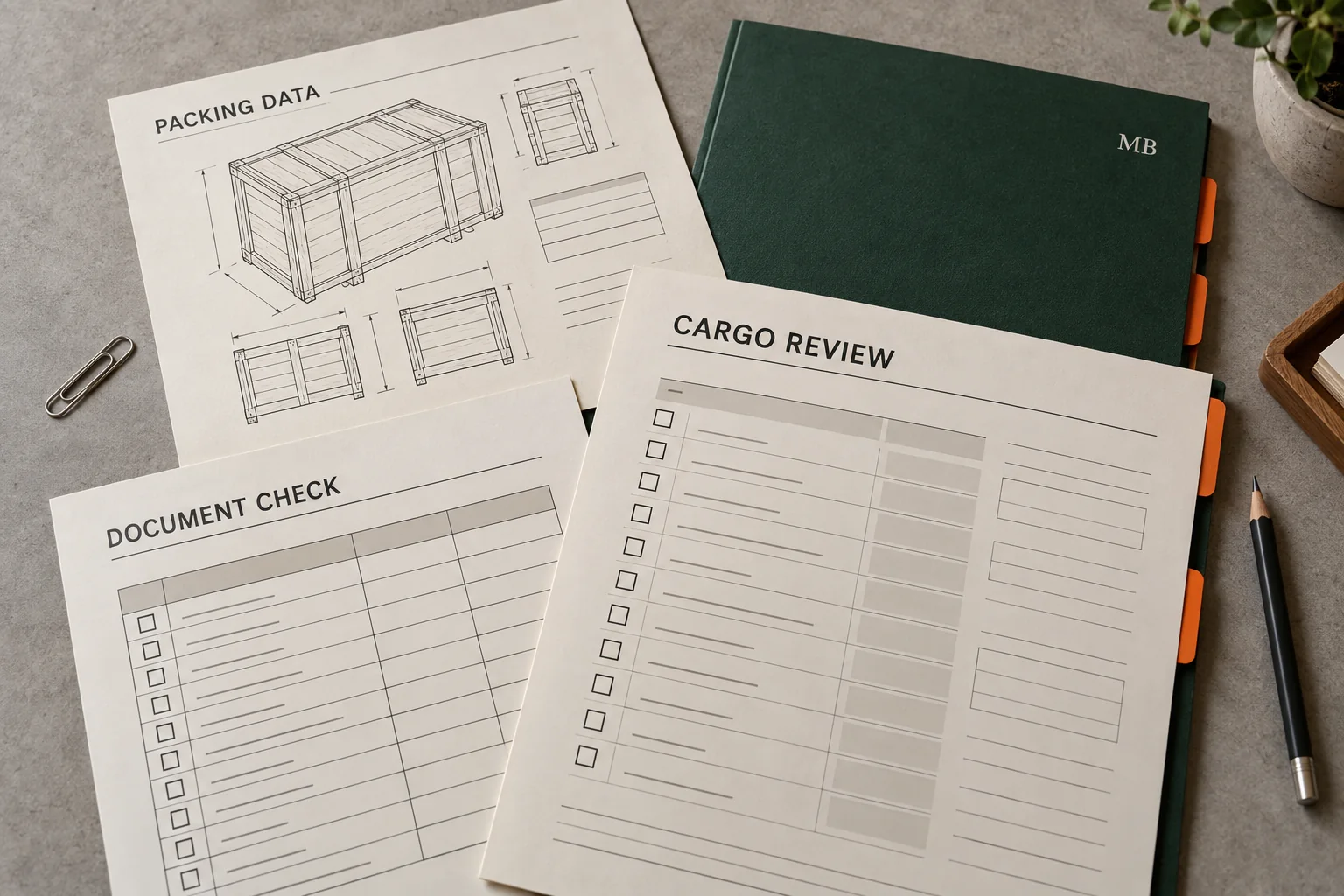
Cargo review papers, document cross-check sheets and packing drawings arranged on a logistics worktable
Cargo facts · Document cross-checks · Packing data
Quote basis
State the cargo-file version, quantities, packing, trade terms, final address and unloading arrangement. List assumptions still open.
Included scope
Set out agreed export, main-carriage, destination tax and delivery inclusions and exclusions, with prerequisites and validity.
Exception handling
For examination, storage, waiting or redelivery, explain the cause and current stage, provide the cost basis and identify the approval needed to proceed.
Changed information
Show what changed between old and new cargo, document or receiving details. Reconfirm affected arrangements rather than carrying forward invalid assumptions.
Professional boundary

A logistics provider does not replace the legal responsibilities of the importer, licensed customs broker or cargo owner. We support document review, planning and cross-border coordination; actual duties follow local rules and the written agreement.

START WITH CLARITY

Start with the cargo, then build the route.

Tell us what is shipping, where it is going and where the delivery responsibility should end.

Discuss Your Shipment