Shipping from China to Canada: freight, customs and delivery
A Canada plan starts by connecting the importer, CARM account and cargo records. Food and other controlled goods need their own checks, and a duty-paid quote still needs a clear importer and service boundary.
Commercial imports into Canada
start with the importer account.
CBSA’s CARM Client Portal is the entry point for commercial import accounting and duties. Before quoting, confirm who will import, whether the account is in place and who may authorize the customs broker. A consignee name on a transport document does not answer those questions by itself.
CBSA says commercial importers need a CARM Client Portal account, a nine-digit BN and a six-character RM import-program account. The importer must confirm which entity and account apply to its shipment.
- 01BN9 · Business number
Match the Canadian importer’s business identity to the import arrangement.
- 02RM · Import program account
Confirm the relevant import account exists and matches the party on the entry.
- 03CARM · Authority and duties
Confirm portal access and broker delegation. If using Release Prior to Payment, check RPP enrolment and financial security.
“Duty paid” does not replace importer accountability. CBSA identifies the importer on the accounting record as responsible for post-accounting verifications, record keeping, corrections and payment. The plan should name the importer, delegation and document-response contact.
CBSA: Set up your business to import and configure CARM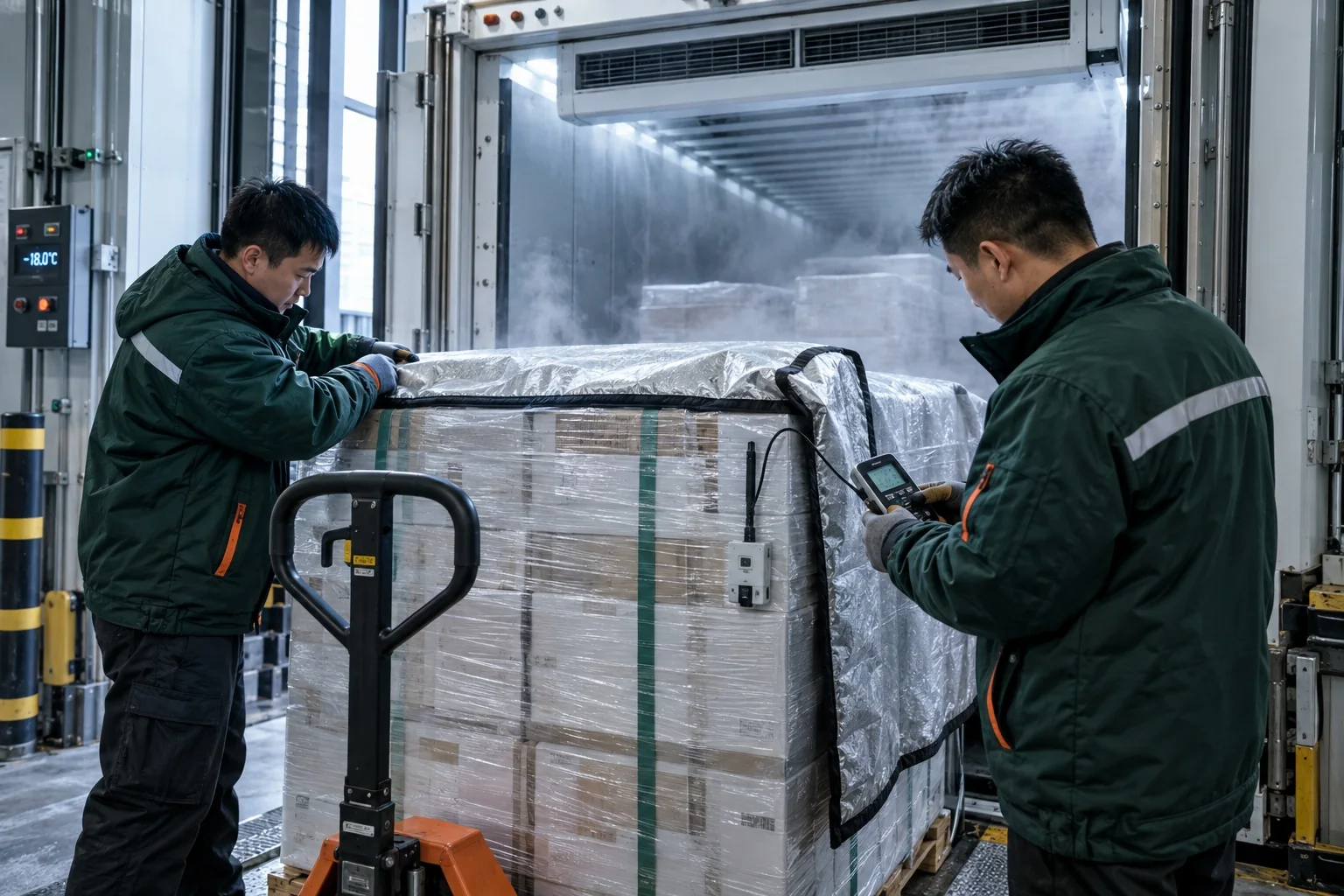
For food imports, temperature is only one part of readiness.
Cold-chain transport protects cargo condition; it does not replace food-import compliance. Licensing, preventive controls, traceability and certificate requirements vary by commodity, origin and use. The Canadian importer should check the applicable requirements through CFIA tools such as AIRS.
- Commodity and originExact product class, processing, origin and intended use
- Importer responsibilitiesCheck whether an SFC licence, preventive controls and traceability apply
- Temperature handoversTemperature range, records, custody points, exception response and receiving cold store
Customs release is one milestone.
Delivery must reach a real site.
Review release, collection, line-haul or final-mile handover and receiving as one connected chain. Province, city and postal code are only the start: confirm the receiving window, vehicle limits, unloading setup and proof-of-delivery needs.
- Customs releaseEntry status · Duties and taxes
- Collection handoverPort/warehouse · Pickup window
- Final-mile deliveryAddress · Appointment · Vehicle
- Receipt confirmedUnloading · Count · Proof of delivery
Check the authority first.
Then apply it to the shipment.
This page is a planning framework. Classification, duties, importer eligibility and food requirements still depend on the actual goods, importer and current authority guidance.
Confirm the importer and cargo
before designing the Canada route.
For a first discussion, share the product and intended use, quantity, packed dimensions and weight, destination province/postal code and any known importer information. It is fine if some details are still open.