
Frozen food shipping,
with temperature and import checks.
A temperature setting is only the start. Product records, loading control, cold-chain milestones and the receiving cold store need to be aligned before cargo leaves.
Temperature has to be controlled.
So do product identity and import conditions.
The food category, ingredients, production and traceability information need to line up with labels, batch records, packing and temperature requirements. Cold-chain freight protects condition; it does not replace food-import review.
- Confirm product name, ingredients, processing and production information
- Cross-check labels, batch, shelf life, packing and temperature range
- Organise importer, producer and traceability support records
- Assign missing items to the factory, buyer or importer
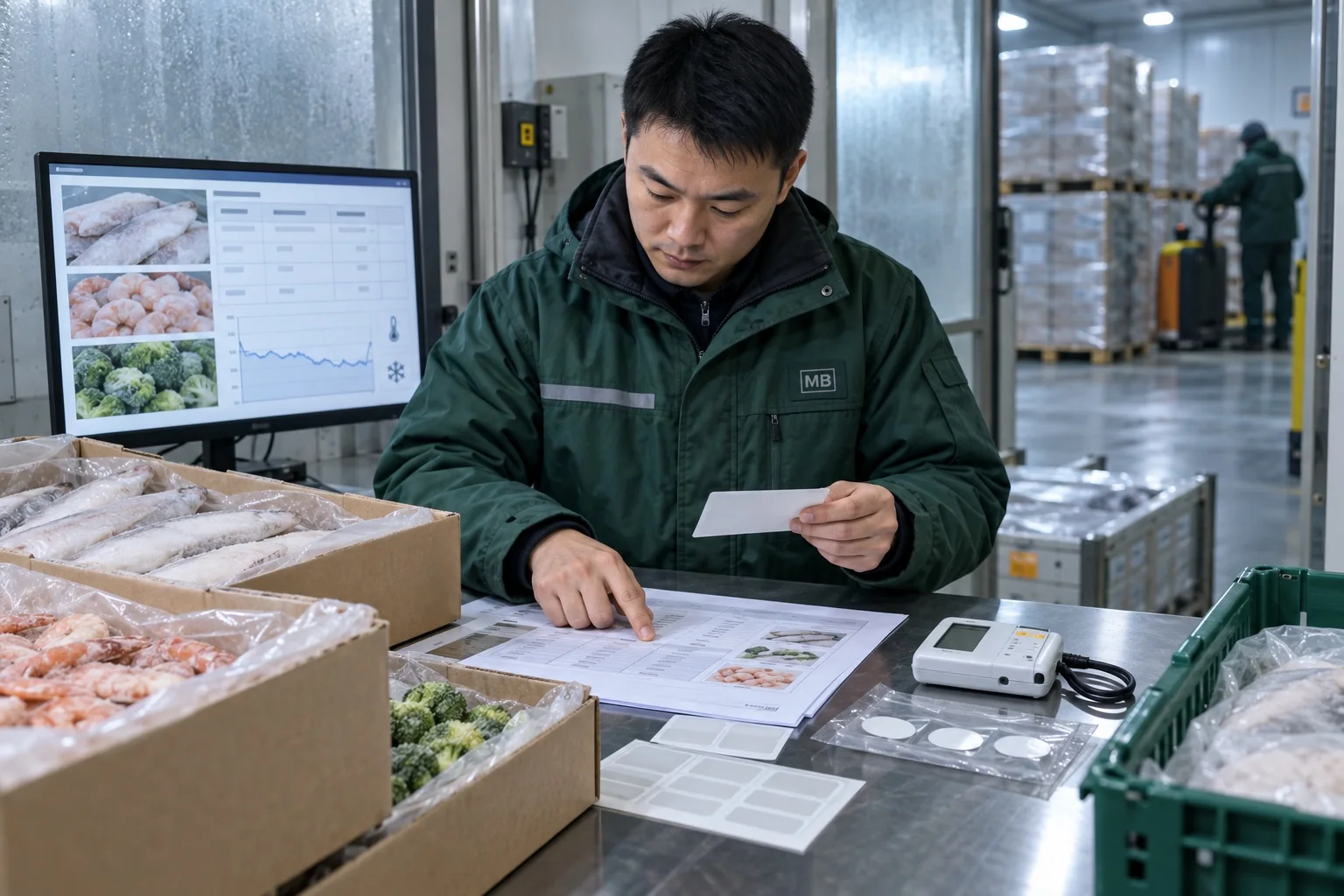
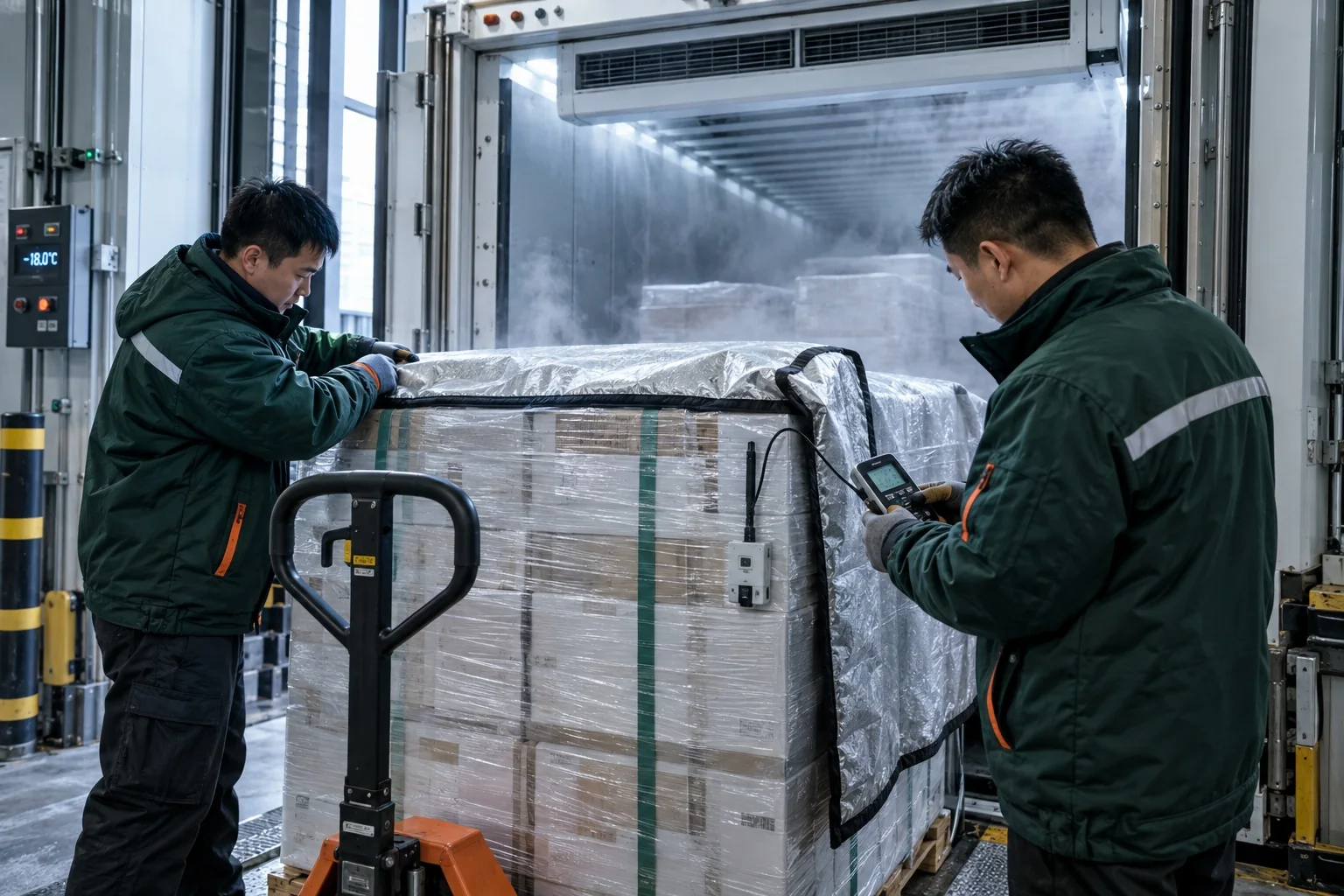
Cold chain is not a temperature promise.
It is a handover of records.
Pre-cooling, stuffing, set point, recording equipment and escalation need to be matched to the cargo, destination conditions and the receiving cold-store process.
Destination import conditions
belong in the same plan as cold chain.
We review the importer, product records and destination document conditions so that customs, booking and cold-store receiving work to the same execution plan.
- 01Export readinessRecords · Temperature loading
- 02International freightCold-chain milestones · Records
- 03Import customsConditions · Document handover
- 04Cold-store handoverBooking · Receiving · Put-away
- 05Handover completeAcceptance · Record close-out
The last temperature-controlled handover
is where cold chain closes.
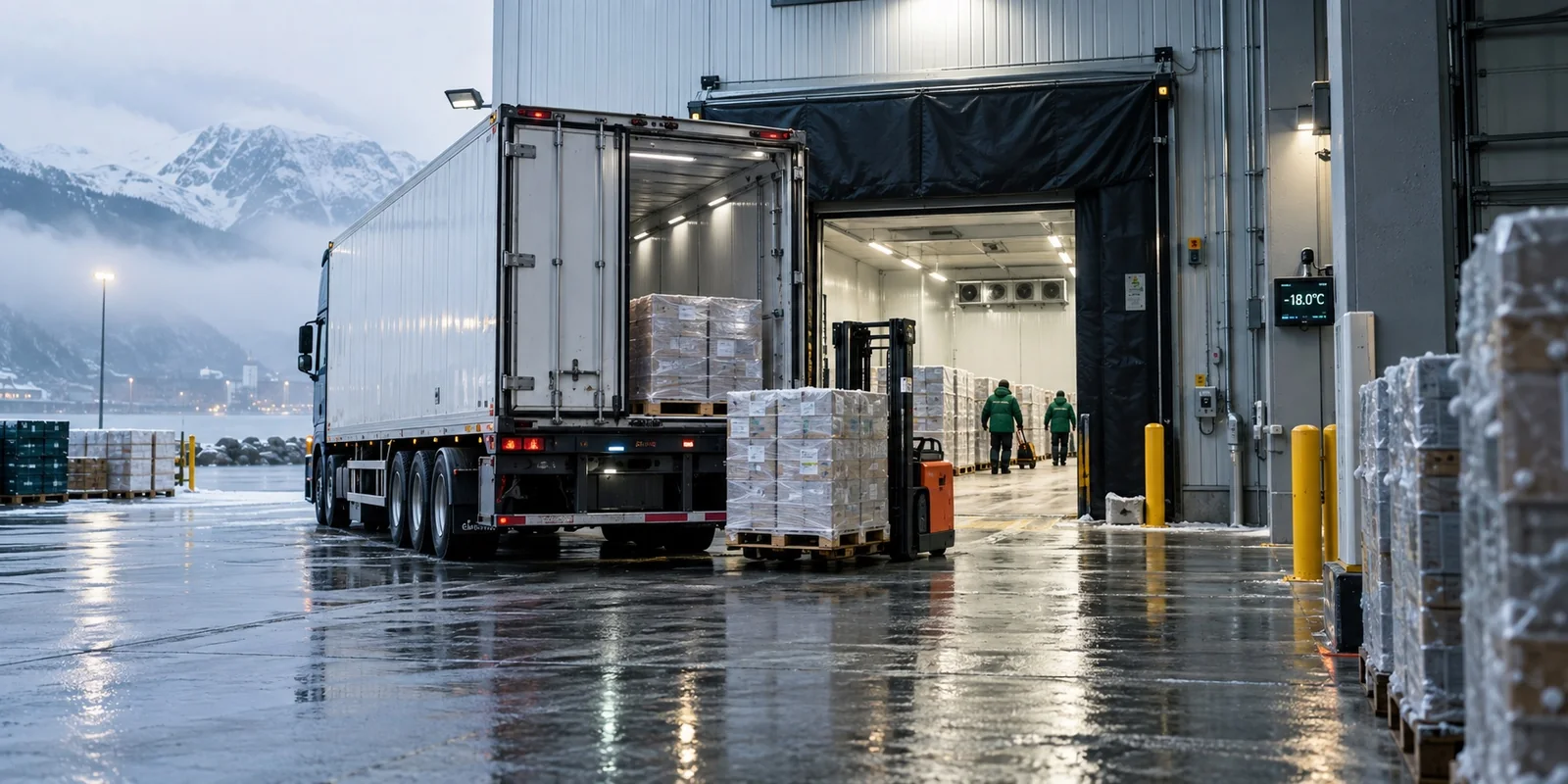
Arrival booking, truck connection, unloading time, cold-store receiving capability and acceptance contact should be agreed before the cargo arrives.
Clear responsibilities
make execution easier.
Scope changes with the destination, product facts, import conditions and cold-store site. We set out the coordination scope, needed records and cost boundaries before execution.
- Review product details and supporting records before departure
- Coordinate loading temperatures and records at each handover
- International freight and destination customs handover
- Cold-store booking and delivery support
- Information flow when an issue occurs
- Accurate product, ingredient and label records
- Importer readiness and relevant permissions
- Confirmed cold-store and receiving conditions
- Prompt notice of product or address changes
- Support during needed inspections or issue review
Put the food, temperature range and destination records
on one working sheet.
Send the destination, product details, ingredient or label information, temperature range, packing and delivery requirement. We will identify the first gaps and next actions.